





By Sopuruchukwu Nnaji
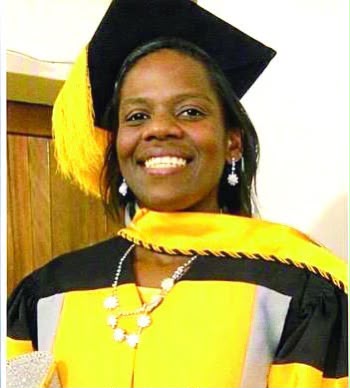
Dr. Ayodele Temidayo Odularu, a Nigerian Independent Senior Researcher at the University of Fort Hare in the Eastern Cape Province of South Africa, has been found dead at her residence. She was 51.
Her death occurred on August 16, 2026. Her brother, Dr. Gbadebo Odularu, confirmed her passing following the launch of a GoFundMe campaign to support the family and preserve her legacy.
According to family sources, her death was not from natural causes and the circumstances surrounding it remain unclear. The family has called for a thorough investigation to determine what happened. Her death occurred amid a wave of xenophobic attacks targeting Nigerians and other African nationals in South Africa.
Dr. Odularu was a respected scholar whose work spanned environmental chemistry, water security, and sustainable development. She was passionate about finding solutions for underserved communities and was known for mentoring young researchers across Africa.
The University of Fort Hare, where she served as an Independent Senior Researcher, held a memorial service to honour her life, her dedication to teaching, and her contributions to the academic community.
In a heartfelt tribute shared via the GoFundMe page, her family described Dr. Odularu as a cherished daughter, sister, aunt, friend, mentor and scholar.
“Her presence brought warmth into every room. She was known for her kindness, infectious laughter, generosity, resilience, and unwavering commitment to uplifting others. Ayodele was driven by a deep belief in education as a force for change and in community as the foundation for progress,” the family wrote.
To honour her memory, the family announced plans to establish the Ayodele Odularu Legacy Initiative for Water Security, Equitable Education, and Community Development, which will continue her work in supporting education and sustainable solutions for vulnerable communities.
Funds raised through the GoFundMe will support funeral and memorial expenses, burial arrangements, transportation, and the initial development of the legacy initiative.









Leave a comment