




Scotland’s drug death crisis is getting more dangerous as hundreds of powerful new synthetic substances flood the market.
In the past three years, new synthetic opioids and cannabinoids have transformed the illicit trade and raised overdose risks. Annual figures due Wednesday are expected to show another rise. Scotland already has Europe’s highest drug death rate.
“The illicit drug supply is getting more and more dangerous,” said Dr Lorna Nisbet of Dundee University.
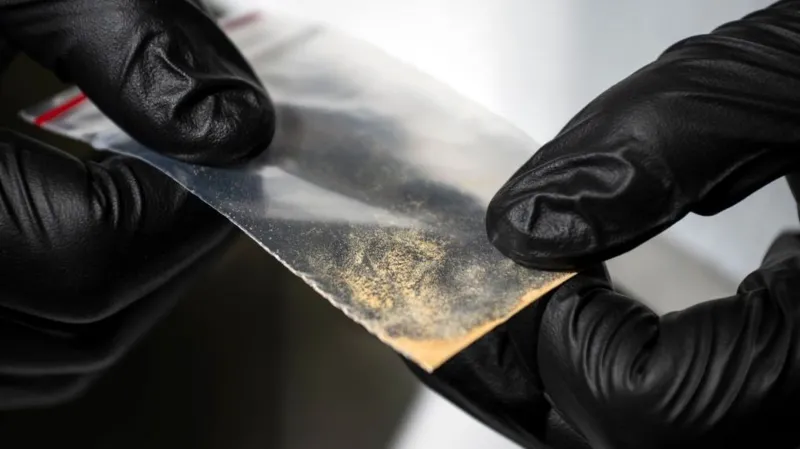
Unlike heroin or cocaine, many new drugs are made in clandestine labs. They include nitazenes and orphines, some hundreds of times stronger than heroin. Police say gangs mix them into existing drugs to maximise profit.
The EU Drugs Agency says a new psychoactive substance emerged every week in 2025 on average. Tighter controls in China and the Taliban’s poppy ban in Afghanistan have pushed production closer to consumers.
In Scotland, police have raided two suspected nitazene factories in 14 months. In July 2025, three people were arrested in Patna, Ayrshire, in what police called the UK’s first suspected nitazene lab. In February, two men were arrested in Loanhead, Midlothian, over another suspected lab.
In 2024, nitazenes were linked to 76 deaths in Scotland — more than triple the previous year.
Charity workers on the frontline say nitazenes are now found in everything from street Valium and spice to cocaine and heroin.
“This is a frightening new landscape. I don’t think drugs have ever been as risky as they are now,” said Gareth Balmer of charity With You. He warned a grain could be enough to kill, and called for wider access to overdose-reversal drug naloxone.
Police Scotland said it seized £80m worth of drugs in 2025 and £78m so far this year, while also referring users to support.
Dundee University’s lab will soon become Scotland’s national drug testing centre to provide real-time information to communities and guide policy.







Leave a comment